
For the first time in over two decades, Hong Kong is increasing its Air Passenger Departure Tax (APDT). From 1st October 2025, the levy for all passengers aged 12 and above departing Hong Kong International Airport will rise by 67%, from HKD 120 (S$20) to HKD 200 (S$33).
APDT is built into your ticket costs, and the higher rate will apply to both cash tickets and award redemptions issued from that date, and is expected to boost government revenue by around HKD 1.6 billion (~S$260 million) each year.
Airlines may choose to absorb all or part of the increase on cash fares, since ticket prices are usually guided more by competitive pressures than by small cost changes like this. As a result, passengers buying regular tickets may not even notice any difference once the new rate kicks in.
For award tickets, however, it’s a different story. The APDT is passed on in full as part of the taxes and fees you pay on top of your miles outlay when booking, meaning frequent flyer redemptions always see a direct cash cost increase.
“The APDT was last increased more than 20 years ago in 2003-04. The proposed increase constitutes only a very small portion of the overall travelling cost for the general public and travellers to Hong Kong. The impact on air passengers is expected to be minimal.”
Hong Kong Government
The good news? There’s still a month left to book at current tax rates, even for future-dated travel, plus the exemption list is expanding from October to allow more short-stay and longer-transit itineraries to be APDT-free when you leave Hong Kong.
What’s the impact?
For most of our readers, the impact will be on KrisFlyer award bookings from Hong Kong to Singapore, where taxes and fees will rise by HKD 80 (~S$13) per passenger, for tickets issued from 1st October 2025 onwards.

That’s between 23% and 29% more than the current cash outlay for an award ticket, depending on your cabin class. Here’s how it looks.
| Taxes on a KrisFlyer Award HKG-SIN Economy / Premium Economy |
||
| Tax / Fee | Until 30 Sep 2025 |
From 1 Oct 2025 |
| Hong Kong APDT | HKD 120 | HKD 200 |
| Security Charge | HKD 65 | HKD 65 |
| HKIA Construction Fee | HKD 90 | HKD 90 |
| Total | HKD 275 | HKD 355 ( 29%) |
Overall taxes for a KrisFlyer award in Economy Class or Premium Economy Class will increase by 29% for tickets booked on or after 1st October 2025, from HKD 275 (~S$45) to HKD 355 (~S$58).
| Taxes on a KrisFlyer Award HKG-SIN Business / First |
||
| Tax / Fee | Until 30 Sep 2025 |
From 1 Oct 2025 |
| Hong Kong APDT | HKD 120 | HKD 200 |
| Security Charge | HKD 65 | HKD 65 |
| HKIA Construction Fee | HKD 160 | HKD 160 |
| Total | HKD 345 | HKD 425 ( 23%) |
Overall taxes for a KrisFlyer award in Business Class or First Class will increase by 23% for tickets booked on or after 1st October 2025, from HKD 345 (~S$57) to HKD 425 (~S$70).
Why the cabin class difference? Well, Hong Kong’s Airport Construction Fee is charged at a higher rate for First and Business Class travellers than for those in the other cabins, with the relevant rates outlined here.
While that may seem outrageous, Hong Kong not the only place in the world that charges higher taxes for premium cabin air travellers.
In France, the Air Passenger Solidarity Tax is around three times higher for Business and First Class passengers (e.g. CDG–SIN ~S$180) compared to Economy and Premium Economy (~S$60). Likewise, in the UK a higher rate of Air Passenger Duty applies to travel in any cabin class above Economy, including Premium Economy, and as many of our readers are aware – this one really stings.
Transit exemption expanded to 48 hours
Currently the following passengers are exempt from paying APDT when departing from Hong Kong International Airport by air:
- Children aged under 12.
- Direct transit or connecting flight passengers (e.g. Cathay Pacific Singapore – Hong Kong – Toronto on a through-ticket, without leaving the airside area).
- Passengers arriving at and departing from Hong Kong by aircraft on the same day (separate ticket bookings, whether or not you clear immigration).
- Passengers arriving at HKIA by vehicle via the Hong Kong-Zhuhai-Macao Bridge, or by ship, and subsequently departing by aircraft while remaining within the restricted area before departure.
From 1st October 2025, Hong Kong is expanding its transit APDT exemption categories to include the following:
- Passengers arriving at HKIA by aircraft and departing from HKIA by aircraft on the arrival day or on the following day, i.e. staying for a maximum of 48 hours.
- Passengers arriving in Hong Kong through immigration controls by means other than by aircraft and departing from HKIA by aircraft on the arrival day or on the following day, i.e. staying for a maximum of 48 hours.
For example, say you fly from Singapore to Hong Kong on a Saturday with SIA, spend one night in the city, then continue to Okinawa on Sunday with HK Express. Because your transit is under 48 hours, you can apply for a refund of the APDT (HKD 200) charged on your Hong Kong – Okinawa ticket.
The same applies on the return journey. If you fly from Okinawa to Hong Kong, stay one night, then continue to Singapore the next day on SIA for example, you’ll also be eligible for a refund of the APDT (HKD 200) charged by Singapore Airlines for your Hong Kong – Singapore ticket, even if it’s an award redemption.
Similarly if you make a brief trip to Hong Kong, perhaps for a work meeting, you will be eligible for a refund of the APDT on your outbound flight ticket from the city, provided you spent less than 48 hours there (e.g. land Monday morning, leave Tuesday evening).
HKIA will launch a new online portal for passengers to claim refunds, either in cash at the airport or via electronic payment — a worthwhile step if you’re eligible.
That said, it won’t be automatic, nor will your airline be the one providing the refund. You’ll need to remember to apply, unlike the current exemptions for children under 12 or for same-ticket transit passengers who don’t clear immigration, where APDT is never charged in the first place.
There will be a provision to prevent people from making a brief return trip between Hong Kong and the Mainland or Macau deliberately in order to be eligible for the 48-hour APDT exemption.
Should you book now?
It no doubt hasn’t escaped your attention that KrisFlyer award miles rates themselves will be increasing from 1st November 2025 – a month after this Hong Kong departure tax increase takes effect.
Here are the current and future one-way KrisFlyer award rates you’ll pay for the Singapore – Hong Kong route on SIA or Scoot flights.

| KrisFlyer Redemption One-Way Singapore ⇄ Hong Kong Current | (from 1 Nov 2025) |
|||
| Airline / Cabin | Saver | Advantage | |
 |
Economy | 16,500 (15,500) |
30,000 (33,000) |
|
Premium Economy | 26,500 (28,000) |
n/a |
|
Business | 34,000 (35,500) |
50,000 (57,500) |
|
First / Suites | 45,000 (47,500) |
73,000 (84,000) |
 |
Economy | 6,500 (no change) |
12,500 (no change) |
You can see our full analysis on how this affects pricing network-wide in our comprehensive article, but in essence expect to pay around 4-6% more miles for Premium Economy, Business Class and First Class Saver awards from Hong to Singapore.


On the flip side, Economy Class Saver awards on the Hong Kong – Singapore route will actually get cheaper from 1st November 2025, dropping by 6% to 15,500 miles (down from 16,500 miles).
If that’s your preferred redemption and your trip isn’t imminent, it could be worth waiting until November for the miles change to take effect before you book.
Even though taxes will rise by around S$13, saving 1,000 miles is arguably a better deal, since most members would agree that those miles will be worth more than S$13 against future awards (you can get far more than 1.3 cents per mile value when you redeem sensibly, even on many Scoot redemptions).
Of course for Premium Economy, Business and First Class redemptions, all you’ll suffer by booking from 1st November 2025 is a second whammy – the miles rate increasing only a month after the departure tax increase also took effect, so for these awards it’s better to book by 30th September 2025 if possible, to avoid both.
Singapore taxes are also increasing
Hong Kong isn’t the only airport in the region increasing its departure taxes.
Here in Singapore, the current departure levy of S$65.20 you pay on top of your miles redemption when securing KrisFlyer awards from Changi Airport on Singapore Airlines or Scoot will be steadily increasing, with a total hike of 21% to S$79.20 by April 2030, as we reported in November last year.
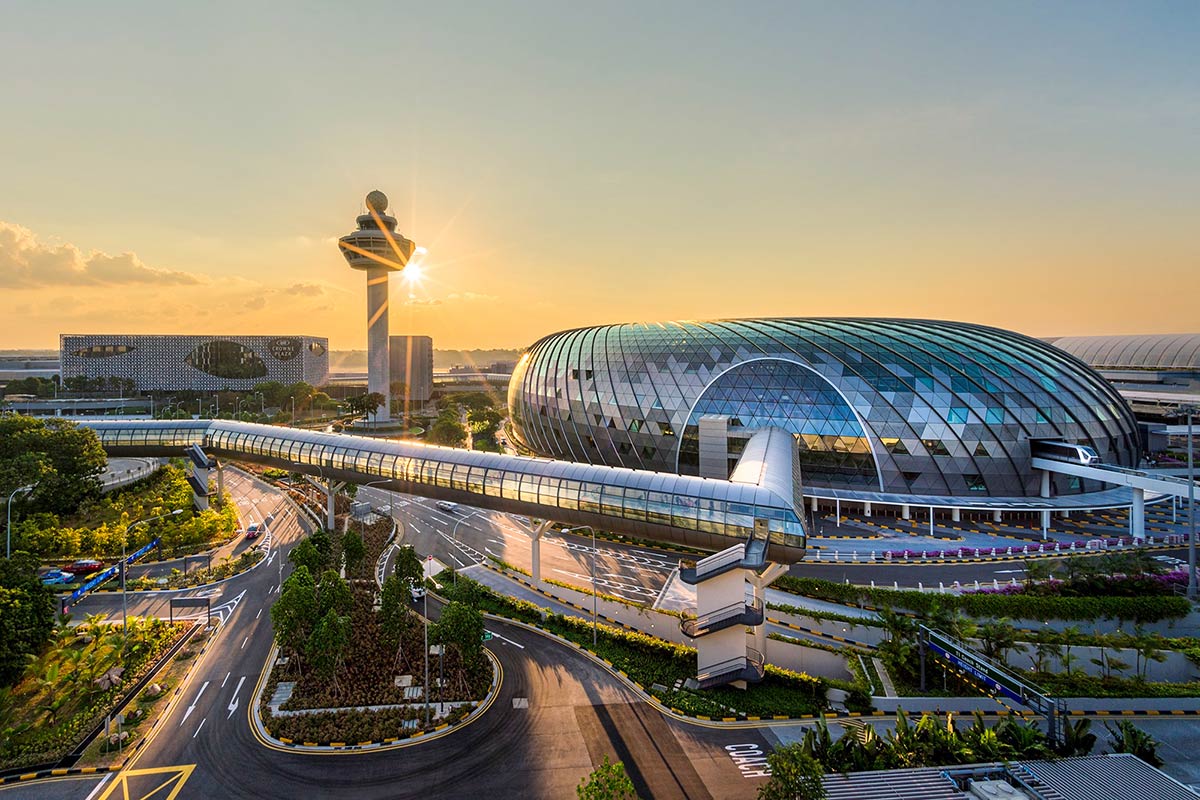
Fees paid by transit passengers will also increase sharply by 133% from S$9 to S$21 over the same time period, while airlines will pay 40% more for landing, parking and aerobridge charges over the next six years, fees that will ultimately be borne by passengers in the form of higher fares.
Summary
Hong Kong’s first Air Passenger Departure Tax hike in over 20 years will make award tickets pricier from 1st October 2025, adding around S$13 per person when redeeming from the city.
While the cash impact is relatively small, it’s worth locking in award bookings before the cutover – by 30th September 2025 – especially for premium cabins, where KrisFlyer mileage rates themselves also climb just a month after the higher departure tax kicks in.
On the positive side, more travellers will benefit from an expanded 48-hour transit exemption, and those redeeming in Economy Class may even come out ahead if they are able to wait for the KrisFlyer November mileage rate cut, which in our book outweighs the additional cash cost from the tax hike.
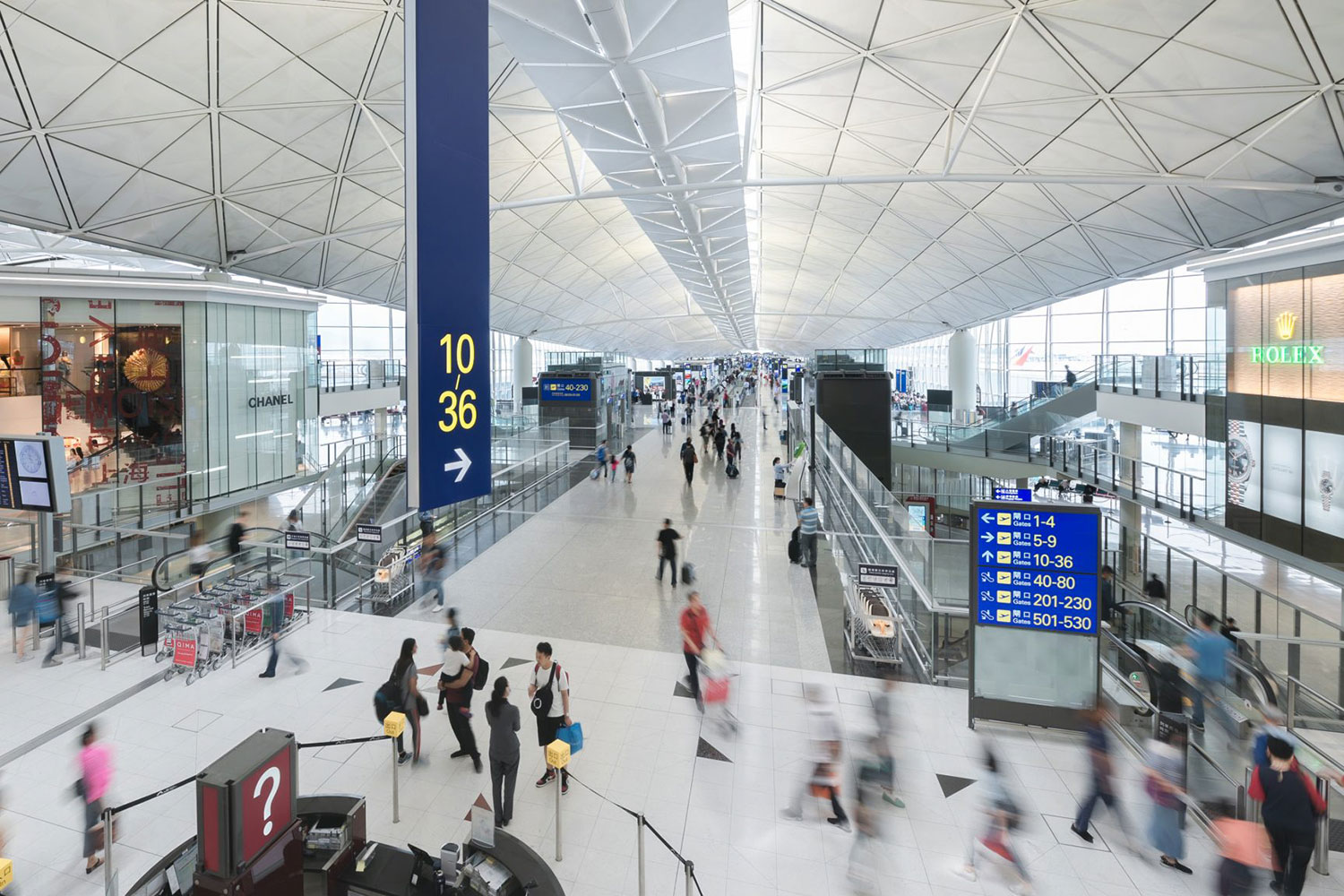
(Cover Photo: Hong Kong International Airport)
Good that they allow refunds even if ticketed on separate tickets, unlike UK where APD is charged on the outbound ticket when transiting UK via separate tickets with no mechanics for refund.
Yes kudos to the HK government for thinking of this.