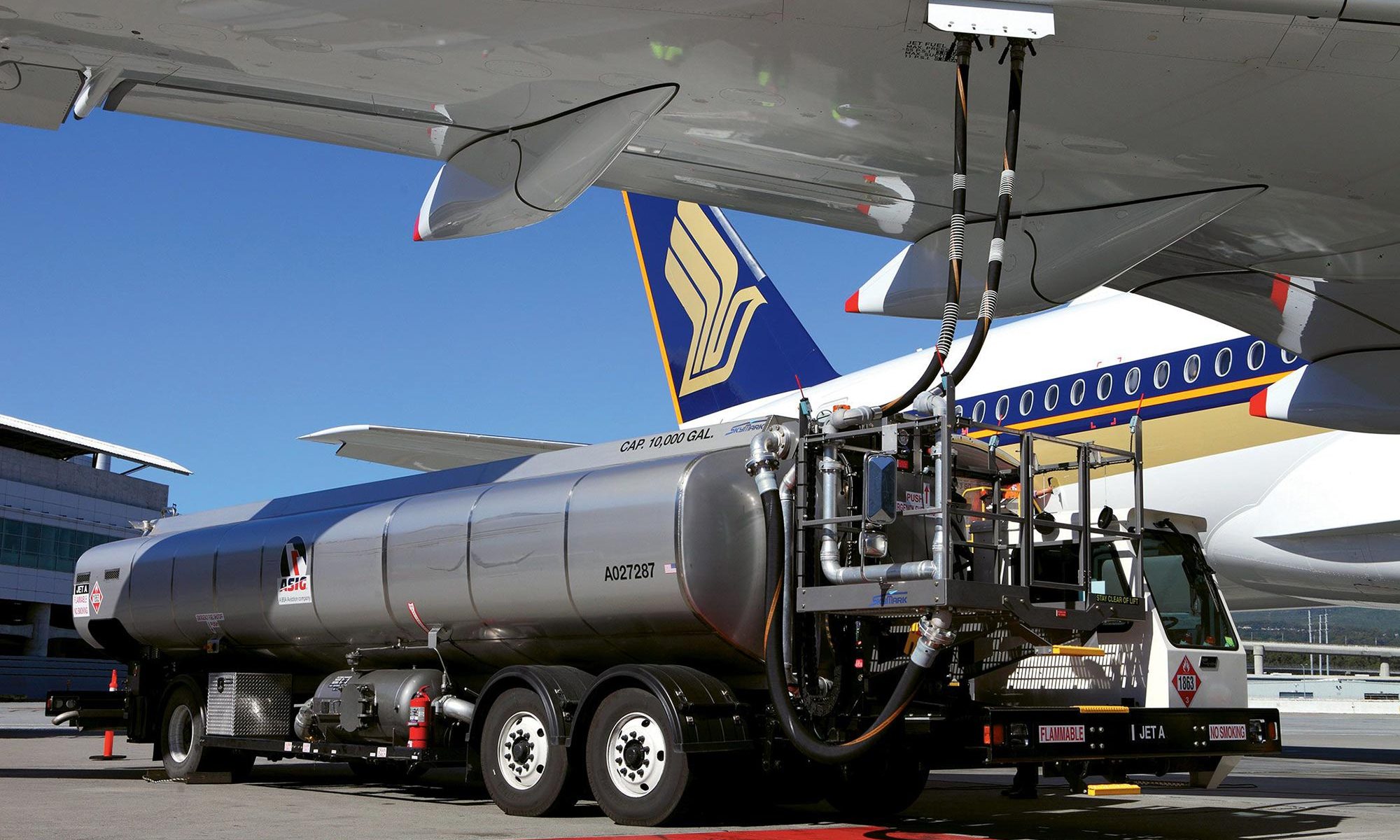

The Civil Aviation Authority of Singapore (CAAS) has announced a deferral of its Sustainable Aviation Fuel (SAF) Levy, which was due to apply to tickets sold from 1st April 2026.
The decision comes as the ongoing conflict in the Middle East wreaks havoc on global energy markets, with jet fuel prices more than doubling in recent weeks.
What’s changed?
The SAF Levy was originally set to apply to tickets sold from 1st April 2026, for flights departing Singapore from 1st October 2026. In a statement released on 25th March, CAAS confirmed both dates will be pushed back by six months.
It will now apply on:
- Tickets and services sold from 1st October 2026 (was 1st April 2026)
- For flights departing from 1st January 2027 (was 1st October 2026)
CAAS Director-General Han Kok Juan said:
“Singapore remains firmly committed to aviation decarbonisation. We are taking a pragmatic pause in view of the current situation. We will continue to work closely with our aviation industry partners and monitor global developments.”
Han Kok Juan, Director-General, CAAS
The official statement is notably brief, with no mention of any other changes such as the levy amounts themselves, Singapore’s SAF procurement plans and the 1% SAF target, though ironically that might now be easier to meet with higher conventional jet fuel prices.
Why the delay? Jet fuel prices have more than doubled
The US-Israel war on Iran, which escalated at the end of February, has sent global fuel markets into turmoil.
The closure of the Strait of Hormuz, a critical oil shipping chokepoint, along with attacks on refinery infrastructure and widespread airspace closures across the Middle East have driven jet fuel prices in Asia from around US$88 per barrel in mid-February 2026, before the conflict, to US$209 per barrel as of 27th March 2026, based on IATA analysis.
United Airlines CEO Scott Kirby warned on 20th March that jet fuel prices had “more than doubled in the last three weeks”, estimating an additional US$11 billion in annual fuel expense if prices remained at those levels.
Cathay Pacific confirmed that its fuel costs in March were double the average of the preceding two months, with the carrier doubling its fuel surcharges in mid-March, then applying another one-third hike next week, in response.
AirAsia, Air France-KLM, Air India and others have all announced fare increases or new surcharges.

(Photo: Cathay Pacific)
The ripple effects extend to sustainable aviation fuel too.
While SAF prices have also risen, the price gap between SAF and conventional jet fuel has actually narrowed since oil-based fuel has spiked so dramatically.
This creates a tricky situation for CAAS, which designed the levy around the price premium of SAF over conventional fuel. With conventional fuel prices now approaching SAF territory, the economics underpinning the original levy calculations have shifted considerably.
What it means for travellers
For now, the levy will not appear on tickets sold from 1st April as originally planned. This is welcome news for anyone booking flights from Singapore in the coming weeks and months, especially those planning premium cabin long-haul redemptions, where the SAF Levy was set to add as much as S$41.60 per passenger.
In our original coverage of the SAF Levy last November, we noted that one strategy to avoid the levy was to book tickets before 1st April 2026.
That window has now been significantly extended – you have until 1st October 2026 before the levy applies to new ticket purchases, and flights departing before 1st January 2027 will not attract the levy at all, regardless of when they’re booked.
Ironically, while the SAF Levy itself is deferred, the overall cost of flying is rising sharply anyway. Airlines across the region are raising fares and imposing fuel surcharges in response to the jet fuel price increase.
Will the levy amounts change?
This is the key question, and one that CAAS conspicuously doesn’t address in its statement.
When the levy rates were announced in November 2025, SAF prices had actually moderated from earlier projections, which is why the final amounts came in lower than initially estimated. The world looks very different now.
CAAS designed the SAF Levy using a “fixed cost envelope” approach. The levy quantum was set based on projected SAF prices and was intended to remain fixed for several years, regardless of market fluctuations.
Crucially, it’s the volume of SAF purchased that flexes, not the price passengers pay.
“If prices spike, we uplift less – but always within the same levy revenue pool,” a CAAS official told S&P Global last year.
In an ironic twist, the current fuel crisis may not actually threaten the economics of the levy as much as you’d expect.
The levy funds the premium of SAF over conventional jet fuel, and because conventional fuel has spiked far more dramatically than SAF (which is derived from cooking oil and waste fats, not crude oil), that premium has actually narrowed.
In theory, the same levy pool could buy more SAF today than when the rates were set.
The more likely reasons for the deferral are practical.
Airlines are under enormous financial pressure from doubled fuel costs, Middle East supply chains are in disarray, and introducing a new tax – however modest – while carriers are struggling and raising passenger fares to compensate, would be politically tone-deaf.
The SAF Levy recap – what’s coming (eventually)
Here are the SAF Levy rates, applicable on a per-passenger basis for air tickets departing from Singapore sold on or after 1st October 2026, for departures from Singapore from 1st January 2027 onwards.
| Singapore SAF Levy (per passenger) |
|||
| Geographical Band | Economy Class Premium Economy |
Business Class First Class |
|
| Band 1 | Southeast Asia | S$1.00 | S$4.00 |
| Band 2 | NE Asia, South Asia, Australia, PNG | S$2.80 | S$11.20 |
| Band 3 | Africa, Central/West Asia, Europe, Middle East, Pacific Islands, NZ | S$6.40 | S$25.60 |
| Band 4 | Americas | S$10.40 | S$41.60 |
These fees will also be added to the cash element of award redemption tickets, and are in addition to the departure airport charges and taxes – currently set at S$65.20 per passenger but progressively increasing to S$79.20 per passenger in the coming years.
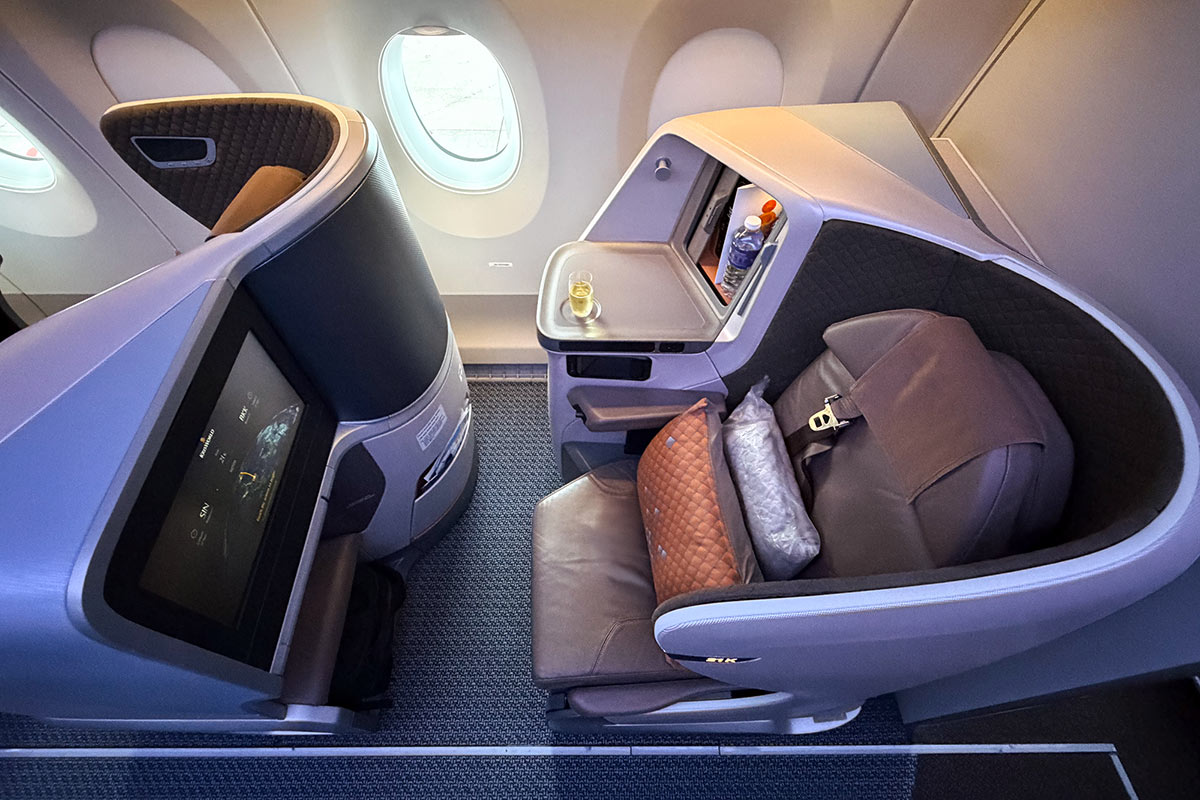
(Photo: MainlyMiles)
Carrier surcharges are also in addition when travelling on selected airlines, while on some routings, like Singapore – Australia, arrival taxes are also charged by the destination country.
For a series of examples, including how the SAF levy works on stopover itineraries from Singapore, see our comprehensive article from November last year.
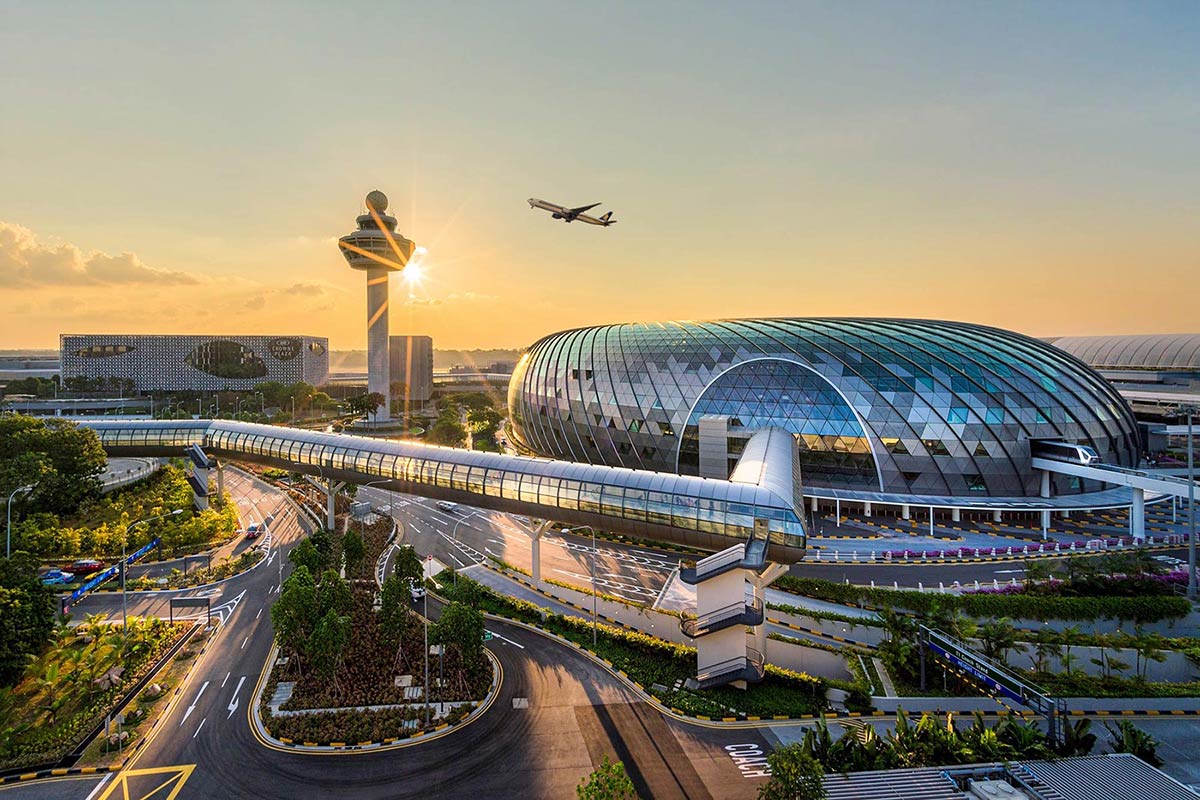

Ironically, it’s KrisFlyer members redeeming SIA flights that will feel the biggest relative impact. While other programmes already sting with carrier surcharges that dwarf these new fees, Singapore Airlines’ surcharge-free awards mean members feel the full weight of the increase.
Double whammy: Airport fees also increasing
Compounding the pain for award travellers, Changi is already raising passenger fees by 21% from April 2027 to April 2030, as we reported in 2024, lifting the current S$65.20 departure charge (Passenger Service / Security Fee, Aviation Levy and Airport Development Levy combined) to S$79.20.
This is designed to fund S$3 billion in projects like Terminal 3 upgrades and the eventual Terminal 5.

(Image: Changi Airport Group)
This means award redemptions will face a double hit, with the SAF Levy from January 2027, plus fee hikes from April 2027 onwards, pushing taxes for a New York Business Class ticket to S$145 by 2030, over 60% more than today’s fees – assuming the SAF Levy does not change.
The transit passenger exemption
As we noted in our original coverage, transit passengers won’t pay the SAF Levy at all. This slightly controversial exemption applies to around a third of Singapore Airlines’ passengers overall, who merely connect through the carrier’s Changi hub en-route from their origin to destination city.
On some SIA routes like London, transit passengers account for over 60% of passengers.

(Photo: Shutterstock)
The decision makes commercial sense – Singapore needs to remain competitive as a transit hub competing with the likes of Abu Dhabi, Dubai, Doha, and Hong Kong – but it creates an odd situation where Singapore residents effectively subsidise the costs of purchasing SAF for transit passengers, who fly alongside them on the same routes.


Summary
The deferral of the SAF Levy is a rare piece of good news for travellers amid what is proving to be a brutal period for aviation. With jet fuel prices more than doubling, airlines raising fares across the board, and widespread flight disruptions from the Middle East conflict, the last thing passengers needed was an additional tax on their tickets.
That said, the levy is not cancelled – merely deferred, in what CAAS calls “a pragmatic pause”.
When global fuel markets eventually stabilise, expect the levy to be reinstated. The six-month delay gives CAAS until October to see how the conflict and fuel markets play out before committing to a new implementation, but if conventional fuel prices remain high the framework could actually allow it to purchase more SAF than originally forecast.
For a full breakdown of the SAF Levy rates, impact on award tickets, and avoidance strategies, see our comprehensive original coverage.
(Cover Photo: Singapore Airlines)