
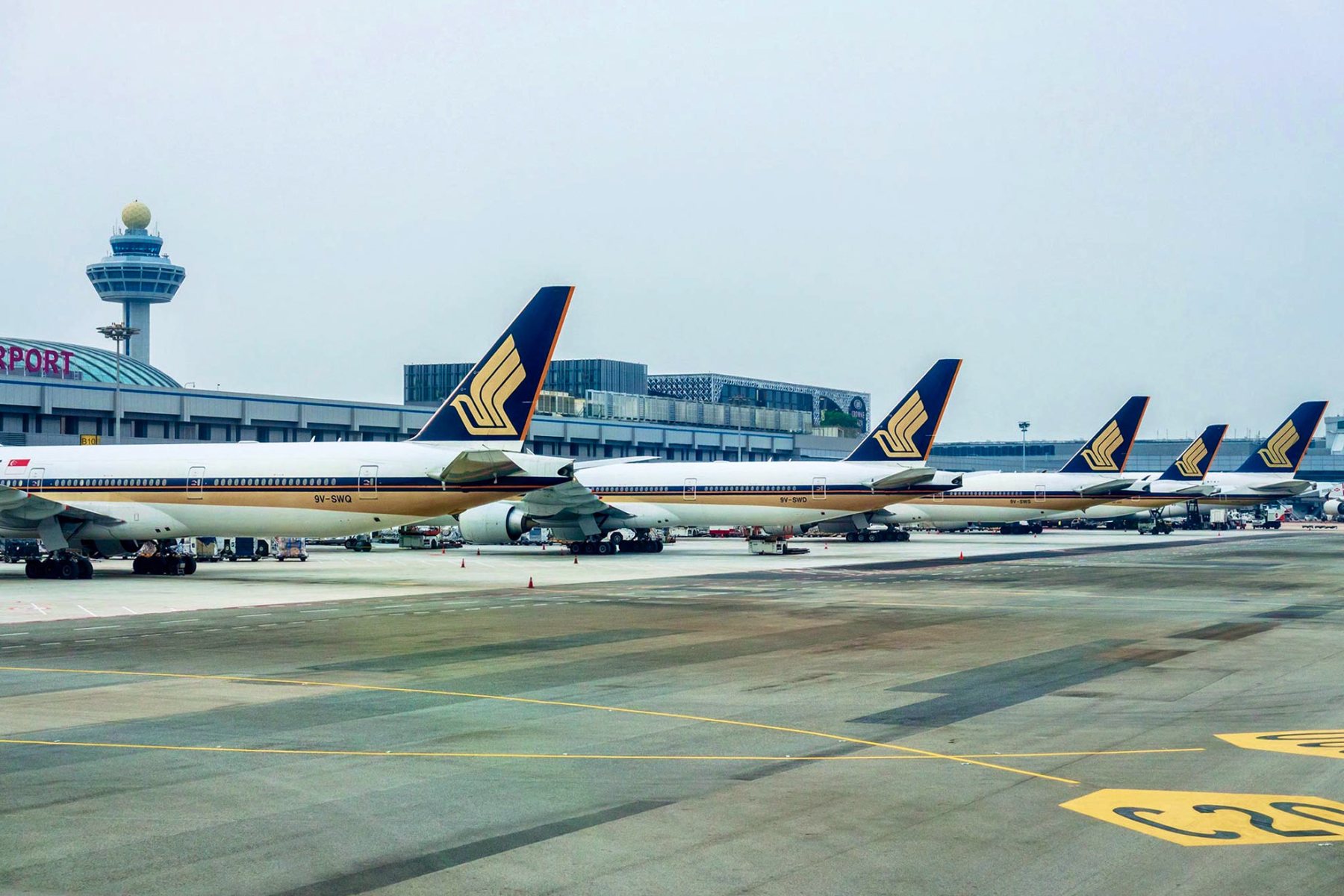

Earlier this week, as part of its annual results announcement, Singapore Airlines published its latest fleet development plan, outlining the schedule of aircraft deliveries and retirements for the current financial year through to 31st March 2027.
This year’s edition makes for interesting reading. The carrier’s mainline passenger fleet is set to grow by a net four aircraft over the next 10 months to 31st March 2027, from 148 to 152 passenger jets, but every single one of the five new arrivals is a narrow-body Boeing 737-8 MAX.
On the other side of the ledger, a single Boeing 777-300ER will be retired.
The net effect is something we haven’t seen since the COVID-19 pandemic: Singapore Airlines’ long-haul fleet is going to shrink.
It’s only a one-aircraft contraction, and later in 2027 the carrier should be welcoming its first brand new Boeing 777-9s to the long-haul fleet, but there are also knock-on effects from upcoming Airbus A350 Long Haul retrofit work that could make the impact pinch a bit more in practice.
SIA fleet movements
Here’s how SIA’s latest fleet development plan looks for the mainline carrier over the 12 months from 31st March 2026 to 31st March 2027, covering passenger aircraft only (so excluding the carrier’s seven dedicated freighters).

| Aircraft Type | SIA Passenger Fleet Totals | |||
| 31 Mar ’26 | Leaving | Joining | 31 Mar ’27 | |
| A350-900 MH | 24 | 24 | ||
| A350-900 LH | 34 | 34 | ||
| A350-900 ULR | 7 | 7 | ||
| A380-800 | 12 | 12 | ||
| 737-8 MAX | 21 | + 5 | 26 | |
| 777-300ER | 22 | – 1 | 21 | |
| 787-10 | 28 | 28 | ||
| All Types | 148 | – 1 | + 5 | 152 |
Long-haul fleet shrinks for the first time since the pandemic
Singapore Airlines’ long-haul fleet has consisted of 75 aircraft across four aircraft types ever since 9V-SJI, the carrier’s final Airbus A350 Long Haul, was delivered in November 2024.
This comprises:
- 34 Airbus A350 LH
- 7 Airbus A350 ULR
- 12 Airbus A380
- 22 Boeing 777-300ER
That total has held steady for nearly 18 months, but it will dip to 74 at some point in the next 10 months as one of the carrier’s ageing 777-300ERs is withdrawn from service, with no imminent replacement.

(Photo: Julian Herzog)
The retired aircraft will be the sixth of the carrier’s 777-300ERs to be withdrawn from the operating fleet, with 9V-SWA, -SWD, -SWE, -SWF and -SWN already removed from service.
It’s the first time in nearly six years that Singapore Airlines’ long-haul fleet has gone backwards rather than forwards, but it’s actually the execution of a plan first proposed in 2023.
Back then, the airline planned to trim its 23-strong Boeing 777-300ER fleet to 21 aircraft by March 2024, however 22 of the type were retained, likely due to ongoing 777-9 delivery delays.
“Because of a delay in the 777-9s, we do have to look at extending the use of some of the aircraft that we have, particularly the older 777-300ERs.”
Goh Choon Phong, CEO, Singapore Airlines
17th May 2023
The realisation of the plan to drop to 21 during this financial year, some three years later, perhaps shows that the airline has some confidence that its first 777-9s are actually going to be delivered in 2027.
A350 retrofits could amplify the impact
The headline minus-one is only part of the story. Singapore Airlines is also planning to begin retrofitting its 34 Airbus A350 LH and 7 A350 ULR aircraft with all-new First and Business Class products, with refit work probably starting towards the end of 2026, for entry into service during Q1 2027.
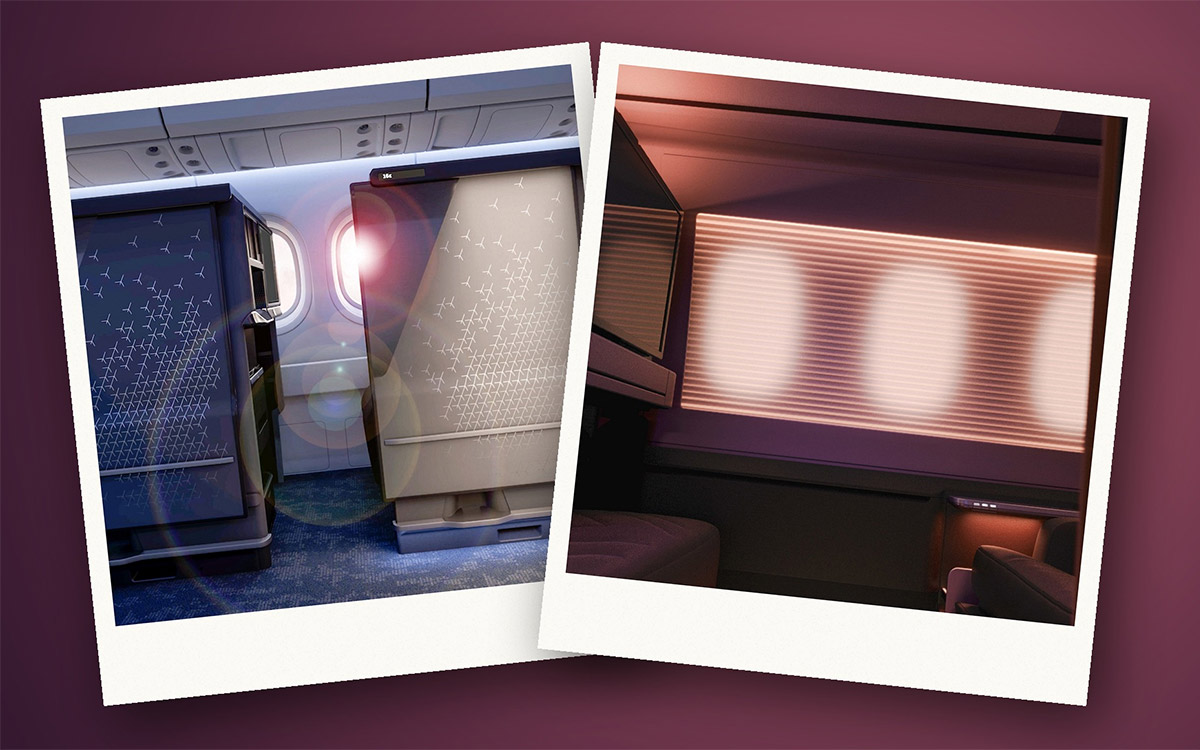

These retrofits will see individual aircraft taken out of the operating fleet, likely one-by-one, for several weeks at a time, meaning that the practical impact on long-haul fleet capacity in any given month could be rather more pronounced than the headline numbers suggest.
In other words, an Airbus A350 in the hangar for refurbishment plus a retired Boeing 777-300ER means the available long-haul fleet on any given day could be two or three aircraft below today’s level by early next year.
The 777-9: light at the end of the tunnel
The bigger story behind all of this, of course, is the Boeing 777-9, the aircraft Singapore Airlines was originally supposed to be operating in significant numbers by now, and which would have been the obvious source of new long-haul capacity this year.
As we reported in October last year, Boeing pushed first 777-9 customer deliveries from 2026 to 2027, the fifth such delay since the type was formally launched at the Dubai Airshow all the way back in November 2013.
That slippage has now been confirmed in SIA’s latest fleet plan, with zero Boeing 777-9 deliveries scheduled in the 12 months to 31st March 2027.
(Photo: Boeing)
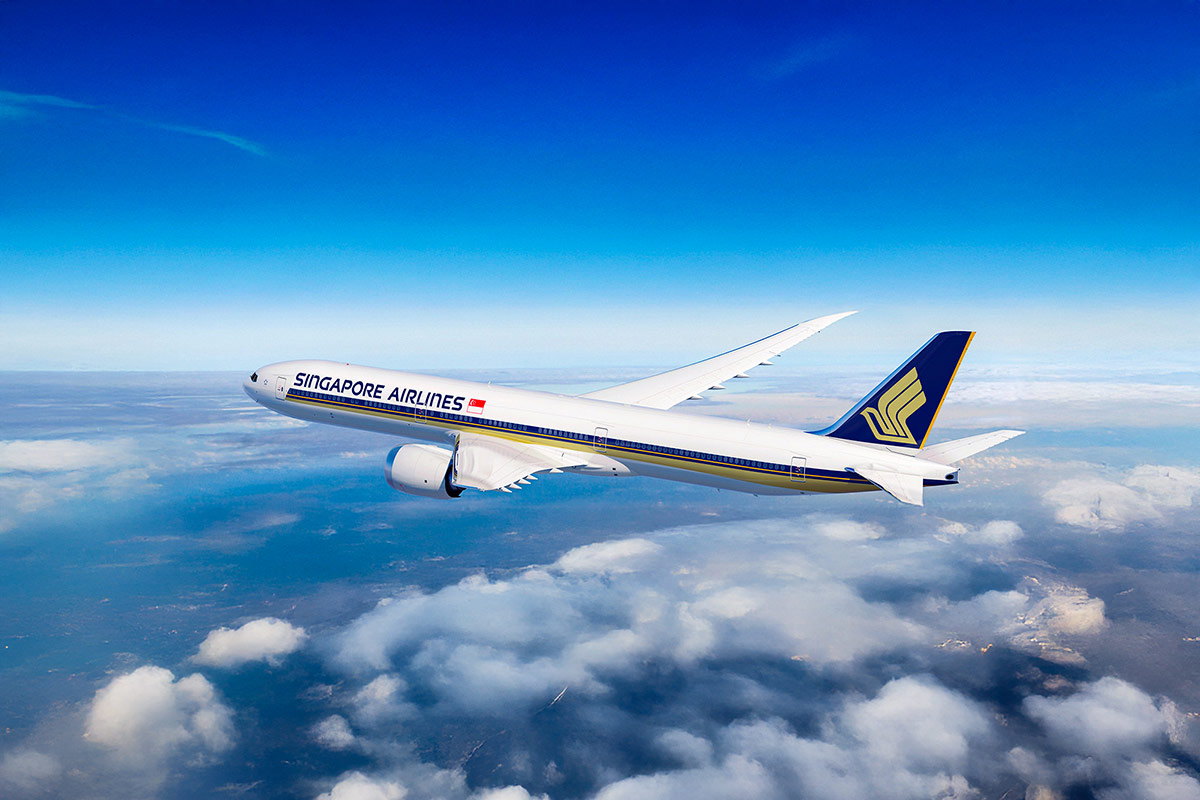
The encouraging news though is that the wait is now hopefully measured in months rather than years. Lufthansa will be the launch customer, rather than SIA, with the German carrier expecting its first 777-9 in early 2027 for entry into service in the northern summer 2027 schedule, which starts on 28th March 2027.
Boeing reiterated that plan earlier this month as Lufthansa’s first production aircraft made its maiden flight, the first 777-9 to feature a complete passenger cabin interior rather than racks of test equipment.

(Photo: Matt Cawby)
SIA shouldn’t be too far behind Lufthansa. The airline’s first 777-9, initially used as a test airframe, took to the skies in August 2025, and at least 10 of its eventual 31-strong fleet now allocated line production numbers, with at least three aircraft already built.
That said, Emirates, Qatar Airways and Lufthansa might all sit ahead of SIA in the delivery queue, which could realistically push the carrier’s first 777-9 deeper into 2027.
It’s also worth tempering expectations on what the 777-9 will mean for SIA’s fleet size, at least initially.
With 31 firm orders against 22 ageing 777-300ERs currently in service (soon to be 21), the first wave of deliveries will more likely represent one-for-one replacement of the 777-300ERs, rather than pure expansion. Genuine long-haul growth from the type is more likely a 2029 and beyond story.
When the 777-9 does finally arrive, however, it will come with the new First and Business Class products already on board, an important advantage given that the 777-300ERs being replaced are not scheduled to receive the new cabins, nor the faster Starlink Wi-Fi being rolled out across the rest of the fleet.
The 777-9’s unwelcome record
Worth a brief recap of how we got here: the Boeing 777-9 is on course to become the longest commercial aircraft development programme in aviation history.
Launched in November 2013, the type has now suffered five separate delivery delays, covered in detail in our October 2025 article, and looks all but certain to surpass Concorde’s 4,801-day certification period.
If the 777-9 doesn’t enter passenger service by 9th January 2027, it will officially overtake Concorde and claim that unwanted accolade. Given that Lufthansa is targeting at least late March 2027 for entry into service, the record is now a matter of when, not if.
For perspective, the original Boeing 777-200, a brand new aircraft type and Boeing’s first ‘fly-by-wire’ aircraft, went from launch to passenger service in less than five years. The Boeing 777-9, a derivative of an existing platform, will have taken closer to fourteen.
Five more MAXs
The narrow-body side of the equation is more straightforward. Five brand new Boeing 737-8 MAX aircraft will join the Singapore Airlines fleet during FY26/27, taking the type’s tally from 21 to 26.

(Photo: Shutterstock)
FY25/26 was originally meant to be a “fleet hits 22” year, but as anticipated in last year’s fleet plan article, one of the planned deliveries slipped just into the new financial year, leaving 21 in service at the year-end.
With 26 in the fleet by 31st March 2027, just three more 737-8 MAXs will then remain on order, for a final total of 29, down from 37 originally, with eight of those slots redirected to additional Boeing 787-10 orders back in 2023.
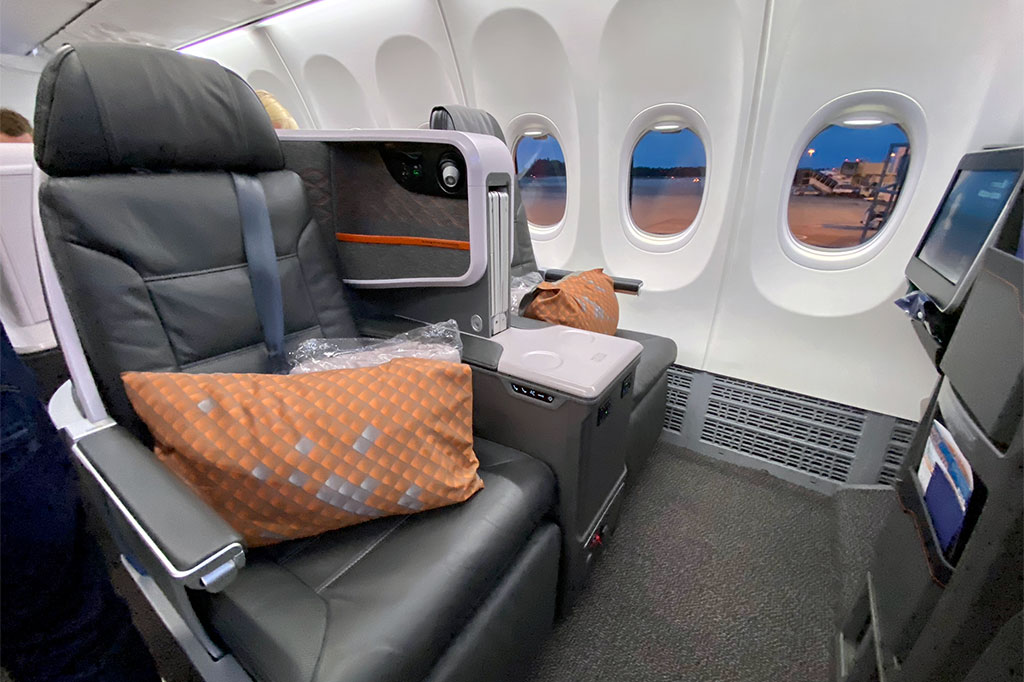
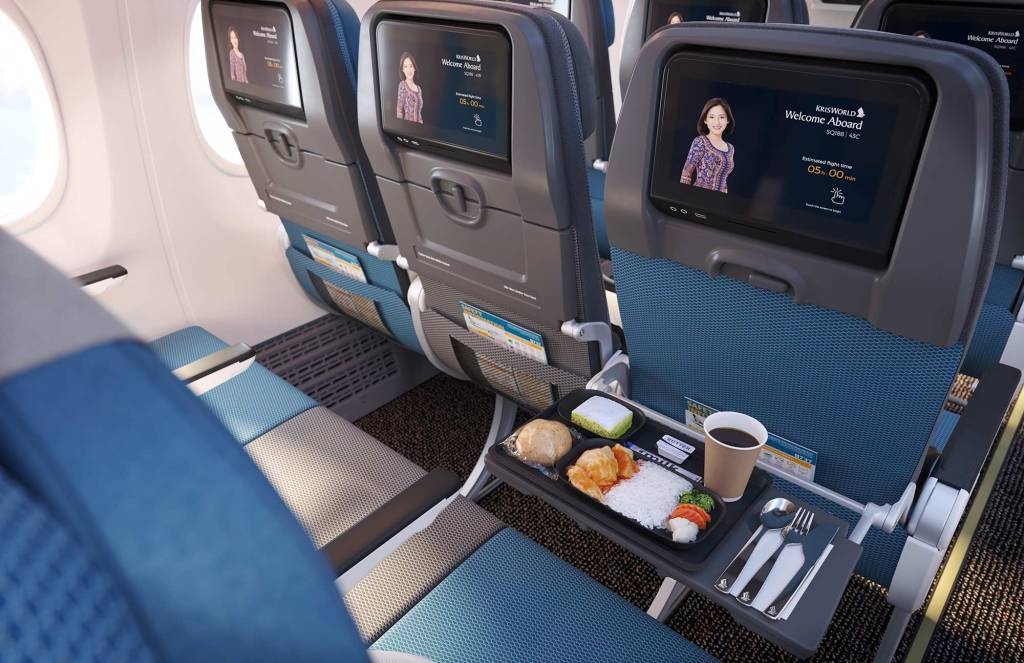
The 737-8 MAX features SIA’s narrow-body flat-bed Regional Business Class seat, and continues to be deployed on a wide range of regional routes, including some longer sectors of four to six hours that the type isn’t always ideally suited to, in passenger opinion terms at least!
(Photo: MainlyMiles)
Here are our dedicated articles covering SIA’s Boeing 737 MAX cabins, to help you know what to expect on board.

No 787-10s this year
Less welcome news for fans of the 2018 Regional Business Class seat, is that there are no Boeing 787-10 deliveries scheduled in FY26/27 at all.
The 28-strong fleet that was reached during the last financial year will remain exactly that – 28 aircraft – with the final three of SIA’s 31-strong order all pushed into the April 2027 onwards period.

(Photo: MainlyMiles)
It means that all of this year’s regional fleet growth comes courtesy of the narrow-body 737-8 MAX, not necessarily a passenger favourite as mentioned above, particularly on the longer sectors where the type currently operates.
Premium cabin impact
The fleet movements don’t tell the most flattering story for SIA’s already-thin premium cabin offering at the front of the long-haul fleet.
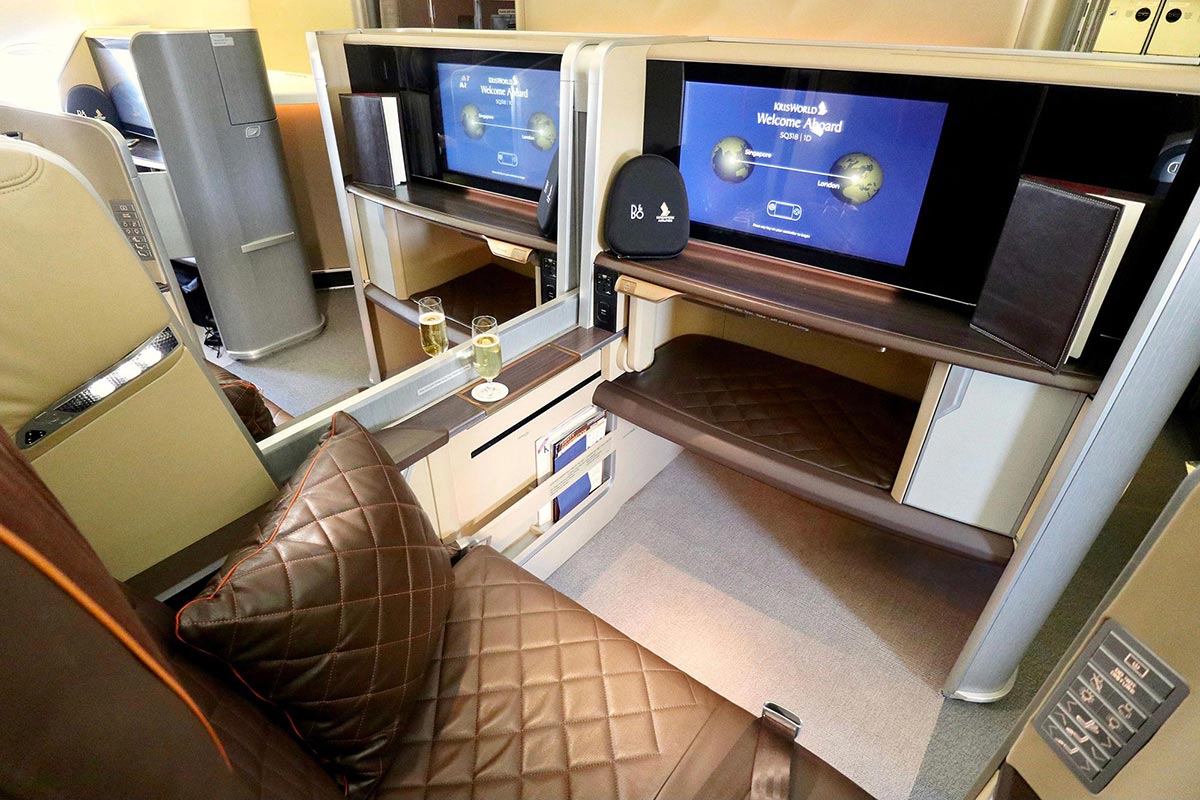
The withdrawal of one Boeing 777-300ER means four 2013 First Class seats and 48 long-haul Business Class seats lost from the operating fleet for the year ahead, with no offsetting long-haul deliveries to compensate.
That further dents what is already a historically low First Class footprint, for the airline, at just 160 First Class and Suites seats fleet-wide as of March 2026, compared to 334 pre-pandemic and 670 back in 2010.
(Photo: MainlyMiles)
The good news, of course, is that the upcoming Airbus A350 ULR retrofit programme will introduce First Class seats to that sub-fleet for the first time, with four closed-door suites crowning the first row on each aircraft from 2027.
The eventual fleet of 31 Boeing 777-9s, each fitted with the new First Class product (and hopefully with more than four seats each!), will further boost the cabin’s presence over time.
Scoot fleet development
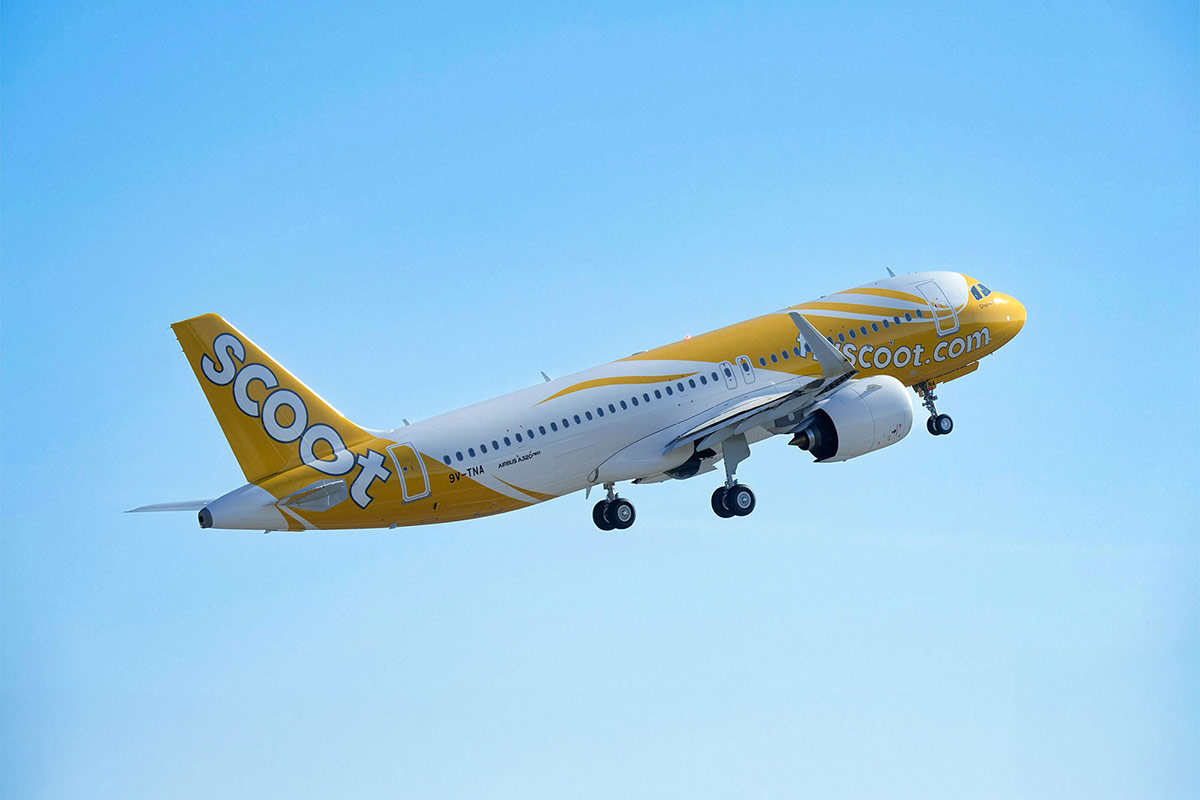
Over at low-cost subsidiary Scoot, the news is a net gain of two aircraft, with two Airbus A320ceos being retired, while two Airbus A320neos and two Airbus A321neos will join the fleet across the 12-month period.

| Aircraft Type | Scoot Passenger Fleet Totals | |||
| 31 Mar ’26 | Leaving | Joining | 31 Mar ’27 | |
| A320ceo | 6 | – 2 | 4 | |
| A320neo | 12 | + 2 | 14 | |
| A321neo | 12 | + 2 | 14 | |
| 787-8 | 13 | 13 | ||
| 787-9 | 11 | 11 | ||
| E190-E2 | 9 | 9 | ||
| All Types | 63 | – 2 | + 4 | 65 |
Scoot recently ordered 11 additional Airbus A320neo family aircraft, comprising a firm order for five aircraft – four A320neos and one A321neo – plus the exercise of options on a further six, bringing the airline’s total A320neo family order book to 20 aircraft. The variant mix for the six options hasn’t yet been disclosed.
(Photo: Airbus)
The airline has no further orders for Boeing 787 or Embraer E190-E2 jets.


Summary
Singapore Airlines’ FY26/27 fleet development plan is relatively modest, with a net gain of four aircraft, but all the growth from narrow-body Boeing 737-8 MAXs, offset by the retirement of one Boeing 777-300ER.
It means that for the first time since a COVID-era contraction, the carrier’s long-haul fleet is set to shrink, from 75 aircraft to 74, and the practical impact could be more significant than that single-aircraft headline suggests once Airbus A350 LH/ULR retrofit work begins, removing further long-haul jets from service temporarily.
The Boeing 777-9 was meant to be the answer to all of this, but the much-delayed flagship will arrive too late to feature in this year’s fleet plan.
The silver lining is that the wait should now be measured in months rather than years, with Lufthansa’s first delivery targeting early 2027 and SIA’s first hopefully not too far behind. The first 777-9s for Singapore Airlines will also arrive with the airline’s brand new First and Business Class products already installed, neatly aligning the long-awaited fleet renewal with the long-awaited cabin renewal.
(Cover Photo: Alen Thien / Shutterstock)
Must be a rather expensive maintenance to keep it going. Since they are going to reduce capacity in a time where they could capture displaced demand not only from gulf carriers, but potentially also cancellations if jet A shortages appear for others.
Soon, with 21 Boeing 777-300/ERs to remain in the fleet after this year, the initial batch of Boeing 777-9s will first be used as a one-on-one replacement for the six retired Boeing 777-300/ERs and seven Airbus A380s that were retired during COVID.
Boeing has some early built B777X that will need significant modification before certification, according to Simply Flying reporting. Wonder how many of these are SQ order?
I believe all of SQs are built after they got the ocnfiguration final, and should need minial to no rework. The frames built between 2019 and early 2022 will defintiely need rework, and those were for EK, LH and QR. Some will likely be rejected by EK and are expected to go to Air India instead. However, at the end of March (ish) 2022 production was stopped and only restarted in early 2024. SQs first frame was the first built after the restart (and the next two frames were also for SQ). I believe the frames built from 2024 on will need minimal to no rework.
Guess the 35MH/78X will provide the capacity for many routes, especially AUS and China have served by both MH and LH aircrafts.
At this point, seven 777X (Line numbers 1723, test aircraft, 1728, 1737, 1746, 1785, 1794, and as of April 22nd, 1806) have finished construction and rolled out! And while 1723 has obviously flown, and then was used for one test in Arizona (I believe electronic interference testing), 1728 has also been spotted doing fueling tests and I believe has had engines installed.